
Saturday, July 31, 2010

An Analysis of "Preventing Misdiagnosis of Women" (guest post)

0 responses
by Jessica Hankins

Introduction:

I am a 34 year old Cushing’s patient, amateur writer, and dedicated volunteer to the service of the youth of the United States. Having a devastating disease such as Cushing’s has not been easy for me. After life-long illness, two failed surgery attempts, losing my job and now having no insurance, it is my hope that this information will help those with endocrine issues find the best care possible, and those that don’t – I hope you understand a little better why so many of us have a difficult time discussing this disease and our mental state.

After my own reading and research, talking to fellow patients and friends, and working with a dedicated endocrinologist, it is my opinion all medical diseases which may cause a psychosocial issue should be ruled out before pursuing a diagnosis of a psychological condition. Many endocrine diseases can be made worse by using medications – sometimes even resulting in death. As health care practitioners, it is your job to rule out complicating conditions. As patients, it’s our job to consider all the avenues possible and to work towards full-time advocacy for ourselves in getting answers.

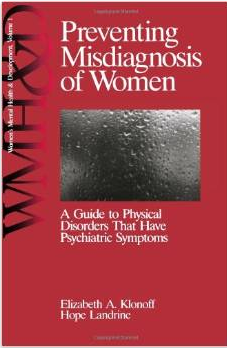
In the book Preventing Misdiagnosis of Women (Klonof, Landrine), the author quotes a statistic which says 41% to 83% of all people who are treated for psychiatric disorders actually have a physical disorder instead. Briefly, the writer describes Cushing’s Disease, yet does not at all address the issues of focus to which we, as patients, can relate.

It is interesting to note that in this book, the author compares the endocrine system to a symphony of musicians. The hypothalamus interacts as the conductor. The pituitary gland then becomes the baton that everyone follows, and the target glands are the musicians.

Feedback loops are also accurately represented in this model. A musician (the target gland) lets the conductor know that he is performing correctly by his performance. The conductor (the hypothalamus) then can issue new instructions to change something through his baton (the pituitary gland), or continue with the same message.

When an orchestra plays horribly, the problem could be along any step of the way, even though she doesn’t spell this out directly. The conductor could be drunk and send the wrong message to the musicians. Or the musician could have partied too hard the night before and may not be able to stay awake during the performance! So to follow this model, primary dysfunction is a problem with the musicians. Secondary dysfunction is a problem with the baton, and tertiary dysfunction is the fault of the conductor.

Something I didn’t know about anti-diuretic hormone (ADH), but learned reading this book: large amounts of ADH are associated with hypertension. Duh – I could have figured that out if I had been trying! But this causes me to ask the question – could high cortisol affect ADH to cause high blood pressure as well?

This is where we come to my biggest concern about this book. The author states that from her research pituitary disorders are quite rare, and rarely affect focus and mood or can mirror psychological issues. The only disorder she believes comes from the pituitary and is related to psychological issues is hypopituitarism. If she believes that, then perhaps if she understood how pituitary hormones could be hyper instead of hypo, we would be having a different discussion.

The Adrenal Glands/Cushing’s:

I arrived at the discussion regarding the adrenal glands. The writer states that epinephrine and norepinephrine are neurotransmitters and work inside the brain in a variety of ways. What she also mentions is the interesting part, that new theories indicate that those two hormones may be tied to manic and depression issues. Now, if what I have learned is accurate, cortisol is the chaser of these two neurotransmitters, and definitely results in an issue with mood swings!

The writer realizes that Cushing’s syndrome causes a host of psychiatric, neurological and physical symptoms. She also recognizes that the reverse is true, that Addison’s causes these same issues as well. Addison’s disease is discussed in regards to its depressive nature in patients with low cortisol. However, when discussing Cushing’s Syndrome, the author states that 15% of patients with Cushing’s will exhibit “prototypical paranoid or depressive psychosis that includes paranoid or depressive delusions and associated hallucinations.”

This is in stark contrast to the research performed on people with exogenous Cushing’s syndrome, of whom 75% show signs of “euphoria, increased activity level, decreased need for sleep, increased appetite, and increased libido.”

The line between symptoms seems to blur here in anecdotal reality. For those patients looking for diagnosis or have been diagnosed with Cushing’s, there are still issues with a decreased need for sleep, an increased appetite and carbohydrate cravings, and increased activity level. However, many patients are not being diagnosed properly until the physical signs show, and by that time the high cortisol has done its damage, causing other secondary issues such as muscle myopathy, osteopenia and osteoporosis, causing painful muscle loss and bone density issues, respectively.

The book also states that most patients with exogenous Cushing’s do not suffer from the “pressure of speech, flight of idea, expansiveness” or other symptoms. It’s interesting to see these symptoms recognized in writing from a psychologist! Flight of ideas happens to be one of my most uncomfortable issues. As a public speaker and trainer, recalling information and being able to apply it to discussions and questions is a necessity. With Cushing’s, once the information is brought to the front of my mind and I’m ready to use it, the idea will literally flit out of my head and disappear into the ether of space.

I loved this direct quote regarding Cushing’s: “The physical symptoms of Cushing’s syndrome can aid in differential diagnosis but, unfortunately, do not appear until late in the disease. These include weight gain, facial obesity, hypertension, muscle wasting, and amenorrhea. Cushing’s syndrome tends to occur in women (and sometimes in men) ages 20-60 and has no preference for a specific ethnic group.”

The Thyroid:

Hyperthyroidism

Thyroid disorders are covered in chapter two of this book. Again, the data is outdated and only refers to the thyroid hormone thyroxine (T4). The book also states the causes for Grave’s Disease are unknown, but there’s much more research out now days that can be discussed with the thyroid experts.

Hyperthyroidism causes manic and hypomanic episodes, and sometimes even bipolar issues. Attention deficit conditions also can occur. Recent memory impairment (as seen with Cushing’s and Addison’s Disease) can also occur with diarrhea, sweating, increased appetite with weight loss, and red puffy eyelids. Talk about clouding the picture! If a woman is seen with bipolar issues and medication is not working for her, it’s probably a case of misdiagnosis. The key here is that when medications are give (especially tricyclic anti-depressants and lithium), these drugs make things worse, not better. The same also goes for hyperthyroid patients and drugs like Haldol used for anti-psychotics. This author cautions that antipsychotic drugs can and will result in fatal dystonic reactions. That’s an “in-your-face” indicator that something isn’t right! Paying extra close attention to physical signs and symptoms is key to making the correct diagnosis in hyperthyroid patients, and that includes asking questions regarding the aforementioned issue.

Hypothyroidism

Hypothyroidism is one of the diseases which can be affected by a dysfunction in the hypothalamus, the pituitary gland, or in the thyroid itself. Unlike other endocrine diseases, hypothyroidism strikes slowly over time, and the symptoms are persistent, but subtle. Most women I know tend to just deal with the symptoms without thinking they are anything out of the ordinary.

The most annoying symptoms include: slowed thinking, impaired memory recall, having to hear things multiple times to comprehend, fatigue and weakness, depression that increases in severity over time, in ability to stay warm, numbness in the fingers, hearing loss, loss of appetite, long menstrual cycles.

Major depression would definitely account for most of the above symptoms, but it is important to note a severely depressed patient should be referred back to their doctor for a battery of thyroid tests to rule out a physical condition before applying psychological techniques! Believe me, most patients would better understand and be open to a physical culprit than having a psychological label over their heads.

This book brings up another interesting point – hypothyroid patients show marked changes when taking neuropsychological tests such as the WAIS Digit Span, the Halstead-Teitan Trailmaking Test, and the MMPI. These changes indicate severe depressive tendencies, but noted the patient only has changes in the depressive information, while the rest of their scales will be normal, itself an abnormality.

According to the literature cited in this book, both kinds of patients should not be treated with anti-depressants, lithium or antipsychotics. Rapid deterioration will follow such drug treatments.

The need to address physical issues accurately before psychosocial treatment is immense. As noted above, if a patient runs into a psychologist or other doctor who would like treat with drugs before running tests for a physical problem, one should trust her instincts and walk away. Physical disorders should be ruled out before pursuing a medical treatment plan for any psychological issue, especially with the overlap in symptoms we as endocrine patients find.

"Laugh, Sing, and Eat Like a Pig", a must-read!

0 responses

I got a package from e-Patient Dave deBronkart!! W00t!! It made my day/night! Frankly, I got it before today, but I, ahem, did not look on my front porch for a few days. I don't go in/out that way. At least it was tucked up under the overhang nice and dry.

What is it you say??? Why, it's his new book, "Laugh, Sing, and Eat Like a Pig". I am about 1/3 through it now, and I'd be further but I have to stop to laugh out loud or cry or both at the same time. I need a new box of tissues.

Folks, you need to read this book. Dave has already taught me so much about why things are as they are in the healthcare system. I've learned so much from him in so many ways, but this is his personal account while dealing with cancer. He talks about what an e-patient is: empowered, engaged, equipped, and enabled. And you Cushie's will get a kick out of his "Four Early Lessons in Patient Empowerment":
  1. It's up to me.
  2. When your instincts say scram, scram.
  3. If they think your feelings are YOUR problem [emphasis mine], you might want to find someone else 
  4. It's worth traveling to find a doctor you work well with. [My favorite]

Invest in the book, a box of tissues, some healthy snacks, and a good drink. You won't want to miss it. I understand so much better what once just made me angry. Knowledge is power, but understanding is the tool for change. Dave is changing how people think in healthcare, and that is more than powerful. It is awesome.

Dave, thank you for teaching me so much, but most of all, thank you for being my friend.

(Reposted from 365 days with Cushing’s Disease)

Friday, July 23, 2010

The Retrospective: Part IV (a guest post)

2 responses
What Could Have Been Better

[This is the fourth post of a multi-post series. Part I, Part II, and Part III were posted earlier this week. ~Robin]

by Vivant Malgré*

This is unfortunately going to sound like a rant. Because it is. Because we learn from the criticism and it is more often than not unpleasant. That is part of how we learn to do better.

The local endocrinologists:

Local endocrinologists are a mixed bag – some are great, some not so much. I feel for them. I have two requests. First, if I schedule an appointment and say that I have Cushing’s Disease, I expect the endocrinologist to have familiarized him or herself with what the tests are, and their limitations, at the level of say, the endocrine society's clinical practice guidelines, and if not willing to do so, to let me know in advance that this is not within his or her expertise. If you are willing to take on this kind of project, thank you!

If you are going to consult with the big “university guru” about a patient, ask the permission of the patient first and have some idea as the consultant’s actual success rate in accurately diagnosing Cushing’s, or you may be made a fool of by a pathology report. For example, a friend of mine was diagnosed with Cushing’s Disease by an endocrinologist with a specialized Cushing’s practice. She scheduled surgery locally. The hospital endocrinologist (who was not even the patient’s treating physician) decided to question the diagnosis, wanted to prevent the surgery and called in the “big guns” from the NIH. The NIH reportedly recommended that the surgery be scrapped. It wasn’t. Her pathology showed Cushing’s Disease. Egg. On. Face.

I had problems with the NIH – they couldn’t even understand what my test results were and I spent hours, literally hours, trying to explain to the fellow assigned to me what the tests for Cushing’s Disease are. Months into the exercise, the fellow admitted he did not know what the reference ranges were for the tests, much less what was diagnostic. When I complained, the more senior doctor still couldn’t figure it out—an author of the guidelines, no less. I’m not the only one. See this blog http://www.shouldhaveseenit.com/ and this blog http://missdiagnosis-rene.blogspot.com/ for others with pathology proven Cushing’s who were turned away at the NIH. Just because someone has a big name doesn’t mean that they can diagnose their way out of a paper bag. By my count, NIH is 0 for 5. Not a great average. But also not much different than the other major “big name” teaching hospitals with a “pituitary” practice. Do some due diligence before asking someone’s opinion or referring a patient.

The Research/University Endocrinologists:

For this group, I frankly have nothing kind to say.

One, it is not fair to either me or their trainees to assign me to their untrained fellows. For some reason, the research university endocrinologists think it’s a great idea to delegate the patient history and physical exam of a Cushing’s patient to some green fellow. The proper diagnosis of Cushing’s requires a careful history, a careful physical exam, and careful analysis of lab results by someone who knows more than a thirty second scan of the wiki on Cushing’s. With one notable exception, every single fellow I have seen has been completely incompetent – and it is not their fault. It takes a substantial amount of work to be familiar with the body of knowledge necessary to understand Cushing’s – I know because I have done the work myself.


Second, the Cushing’s Disease diagnosis process resembles 1960’s, pay-$1000-for-a-toilet-seat weapon development.

I consult on government acquisitions. In government acquisition, developers try to balance four things: schedule, money and risk (which includes quality) to get the best solution. You want no risk/perfect quality, its going to either take you a long time or cost you a lot of money. Or both. And if you take long enough on schedule so that you can have a theoretically “perfect” solution, you may end up with obsolete technology or dead soldiers who really could have used a less prefect version of what you were working on. You are looking for a balance. As someone who worked on development programs that ran into the billions, you also learn fast that certainty and data cost money. Tests cost money. The number of tests needed to prove 98% certainty can costs exponentially less, and can have substantially less “cycle time” than testing and manufacturing to a 99.999999 percent level of certainty.

In other words, you can spend a ton of money for something that is “perfect” and you perfectly know that it is perfect – and take so long doing so that its purpose is long gone and that it is unaffordable to build. Or spend something you can afford and be 98% sure. We always were very mindful of the level of “perfect” being required – too low and you have things exploding where they shouldn’t; too high and you will waste money studying something you can’t afford to use.

The research endocrinologists want years of testing, with perfect test results, before putting a diagnostic toe out. Early in the process, I looked at my test results, the good and the bad, the studies that had validated the tests in question and made some rough and ready calculations as to the odds that I had Cushing’s or not. It came out to something like a half billion to one in favor of diagnoses. I played with the assumptions. The odds were still eye-popping. Yet the big-wig endo at UVA saw fit to cancel my surgery, over the objection of the surgeon, in favor of “gathering more data.” To me, it’s like refusing to diagnose breast cancer until you are “sure” it is cancer by waiting until it metastasizes. Because after all, benign tumors don’t metastasize. Who cares if the certainty of the diagnosis comes at the cost of killing the patient?

Why did this doctor want more data? The cynical part of me thinks she just wanted the data so that I would be an appropriately validated patient for her latest study. Maybe she was just not very competent. Maybe she had a bad day (I certainly did). Some might say that is it fear of liability. But as a licensed attorney, my observation is that it would be a heck of a lot easier to sue successfully a doctor who does not diagnose Cushing’s when the patient has Cushing’s and ends up with a positive pathology report than to succeed in suing a doctor who has treated a person who ends up without a positive pathology report. One can always argue that the pathological tissue got caught in the sucker.

But I continue to see University endos demanding what is frankly, an insane amount of confirming tests over an unjustifiably long period of time. The testing done by any other doctor is never accepted and is instead nitpicked into oblivion. The cost of my testing and retesting could have paid for vaccinations for hundreds of children. It could have provided a year’s worth of medical supplies for an inner city clinic. And yet I had doctors who thought I should spend years more of these costs to “prove” what was obvious (and proven by pathology). I had Cushing’s.

I think that part of the cause is an irrational view of what is medically acceptable risk. Laparoscopic bilateral adrenalectomy is a well-studied treatment for Cushing’s Disease with a mortality rate of 0.2% -- less than gallbladder surgery. The mortality rate for transphenoidal pituitary surgery is less than 1%. By comparison, the 90 day mortality rate for a revision hip replacement is reported as over 2.5% and the one year reported mortality for gastric bypass at the Mayo Clinic is 0.5%. No reasonable doctor would, under any normal circumstance, require a patient undergo years of testing at six month intervals before a referral for hip replacement revision or gastric bypass, both of which are routine surgeries in this country and both of which typically treat maladies less serious than Cushing’s. [Robin’s note: The mortality for not treating Cushing’s Disease is huge. The mortality risk from surgery is directly proportional to the time it takes to diagnose and treat a Cushing’s patient. See recommended reading at the end of the article. ]

After my first surgery, it was clear that it was not successful – by the published criteria. I went to the NIH because they had an experienced adrenal surgeon and my preference was an adrenalectomy. As noted, for more than half a year, I battled with a completely hapless fellow who could not manage to keep my test results straight and frankly admitted that he neither knew of the tests nor of the correct reference ranges. I elevated my concerns. What I was told was:

“We think that CS is only clinically important when there are significant increases in cortisol over enough time to cause clinical problems.”

At that point, I had had clinically elevated cortisol for over four years. My blood pressure was jumping to levels that my neurologist said were “dangerous.” My fatigue prevented me from working. Labs showed that I was losing kidney function. I had had two rounds of septic infections. I had clear signs of bone loss and had a fracture from a very minor trauma. I had a hump and brightly red checks. I was 100 lbs overweight, even though I had previously been a regular swimmer. I had lost substantial amounts of muscle and could not walk normally. It’s still not clear if the “scientist” in question had repudiated her previously published work as to the criteria for evaluating Cushing’s or did not think I had “clinical problems.” I could not get a straight answer. My labs were diagnostic, per her own published criteria. If these aren’t enough symptoms, I hate to think of how sick one would need to be for this doctor to think it “clinically” relevant.

I was further told:

I would not recommend any treatment, particularly ketoconazole or adrenalectomy, both of which can cause significant problems, including death. The benefit doesn’t exceed the risk…” (emphasis added)

As I said at the beginning of this series, I am a little over a month past my bilateral adrenalectomy. I am beginning to lose weight. Six months of declining kidney function tests appear to be reversing. The fatigue, while there as I weaning from cortisol, is improving. I am feeling more optimistic about life. The grey seems to be lifting. I have not had a single episode of malignant hypertension since my BLA. I can breathe. I think that the benefit well exceeded the risk.

The sad thing is that other doctors still consult with this “expert,” undoubtedly to the detriment of many.

I don’t know why Cushing’s is so stigmatized by the medical profession. Maybe it’s prejudice against fat people. Maybe it’s that doctors just don’t think that the lives of women count for much. Or maybe they wring all of the compassion out of endocrinologists before they are board certified. The reality is that there are more doctors who perform late term abortions than will promptly diagnose and treat Cushing’s Disease. I would not have had to travel as far to have had a 26 week pregnancy terminated than I had to go to have a life-threatening tumor removed.

So much for my right to choose.

[Robin's note:  The female-to-male incidence ratio is approximately 5:1 for Cushing's in some studies. Other studies say 15:1.]

*pseudonym

To read more:
Mortality in Patients Treated for Cushing’s Disease Is Increased, Compared with Patients Treated for Nonfunctioning Pituitary Macroadenoma
"Conclusions: Mortality in patients previously treated for Cushing’s disease is increased, compared with patients treated for NFMAs. This implies that previous, transient overexposure to cortisol is associated with increased mortality."

Mortality in Patients with Pituitary Disease
Control of cortisol secretion and GH hypersecretion (and cardiovascular risk factor reduction) is key in the reduction of mortality in patients with Cushing’s disease and acromegaly, retrospectively...Although standardized mortality ratios in pituitary disease are falling due to improved treatment, mortality for many conditions are still elevated above that of the general population, and therefore further measures are needed.

Blood coagulation and fibrinolysis in patients with Cushing's syndrome: increased plasminogen activator inhibitor-1, decreased tissue factor pathway inhibitor, and unchanged thrombin-activatable fibrinolysis inhibitor levels.In conclusion, we found some important differences in the hemostatic parameters between the patients with CS and healthy controls. Increased platelet count, fibrinogen, PAI-1, and decreased TFPI levels in these patients represent a potential hypercoagulable and hypofibrinolytic state, which might augment the risk for atherosclerotic and atherothrombotic complications. This condition may contribute to the excess of mortality due to cardiovascular disease seen in patients with CS.
 
Cortisol excess linked with increased mortality rate 
According to the researchers, these findings imply that overexposure to cortisol is associated with increased mortality, and the mortality seems to be correlated with the duration of overexposure. “The effects of transient cortisol overproduction may not be reversible with respect to certain biological properties that influence mortality,” the researchers wrote.

Bilateral adrenalectomy: low mortality and morbidity in Cushing's disease 
Bilateral adrenalectomy, in experienced hands, is a relatively safe and useful management option in patients with hypercortisolism. Growth of a pituitary adenoma post-operatively is now the most worrying complication.


Cyclical Cushing's syndrome: an update 
Cyclical Cushing's ... is a pattern of hypercortisolism in which the biochemistry of cortisol production fluctuates rhythmically. This syndrome is often associated with fluctuating symptoms and signs. This type of case was initially thought to be rare. It has, however, recently been recognized as occurring much more frequently. The phenomenon is important because it can, if not recognized, lead to errors in diagnosis and differential diagnosis of the syndrome and in assessment of therapeutic outcomes. All of these can have very serious clinical consequences.

Limitations of nocturnal salivary cortisol and urine free cortisol in the diagnosis of mild Cushing’s syndrome
The features of endogenous hypercortisolism (especially, when mild) are protean and coincide with many common clinical conditions like the dysmetabolic syndrome (1, 2). Screening studies in high-risk populations have discovered unsuspected CS in as many as 2–5% of patients with diabetes mellitus (3–7) and suggest that "mild" CS is more common than previously appreciated.

Bariatric surgery: Not the answer for obesity and "hidden" Cushing's Syndrome
This article outlines possible contra-indications of bariatric surgery for obese patients, especially those with possible Cushing's. Those, along with the delay in diagnosis may cause "irreversible sequelae in patients with undiagnosed Cushing syndrome"

Thursday, July 22, 2010

The Retrospective: Part III (a guest post)

4 responses
What I Have Learned Along the Way
[This is the third post of a multi-post series. Part I and Part II  were posted earlier this week. ~Robin]

 by Vivant Malgré*

There’s the Cushing’s that doctors talk about and there’s the Cushing’s that patients know. When I go to most doctors or read about Cushing’s in the medical literature, there is a belief in a disease called Cushing’s where all patients gain 100 lbs in two months, they all have huge red stretch marks everywhere, they all have acne, hair that shouldn’t be, can’t stand from a squatting position, raging diabetes, raging high blood pressure, huge bruises everywhere, gigantic back humps and it’s all very dramatic. And the test results are all consistent, UFC’s are great and dexamethasone testing is nearly foolproof. I would estimate that during my pilgrimage in Cushing-land, I have gotten to know at least two hundred people with pathology/biochemically proven Cushing’s. [Robin's note: the Cushing's Help boards host thousands, and I believe this number is much higher than the author realizes.]

I have yet to meet anyone who fits the mold that the specialists seem to be looking for. In fact, several years ago, when a family member was on more than 100 mg of prednisone a day (20 times the biological baseline) she did not have the severity of symptoms that Cushing’s specialists seem to want to see. This kind of Cushing’s is indeed very rare. In fact, I wonder if it exists at all. And I wonder where all the patients are that have been treated by the “Cushing’s specialists” at the big universities. Because out of the literally hundreds of Cushing’s patients I have met on this journey – either in person or online, I have never met, nor even heard of, a real person who has been successfully treated at the “big name” clinics such as UVA, Cleveland Clinic, NIH, Mayo, etc. etc. It’s very hard to believe that with the very active on-line Cushing’s community that none of their patients would be seen. So, one really wonders who they are treating.

The Cushing’s that patients know is different. The weight gain is a problem, but it can be much more insidious -- twenty pounds in a year, year after year, no matter what you eat or how much you work out. The second biggest symptom seems to be sleep – insomnia, poor quality, daytime sleepiness. The muscle weakness can be more subtle – steroids after all do a really good job of masking pain – so it’s more like not being able to wear heels, not being able to go up stairs, lacking hand strength, stopping doing things you like, such as hiking or running or even going to church or socializing, and then housework and cooking and cleaning, just because it is all just too much effort – and not because you are depressed. It’s hanging onto the cart to get through the grocery store when you are only thirty. It’s feeling old when you’re not. It’s not being able to get over colds, for months on end. It’s weird rashes, weird digestive problems, weird heart palpitations. It’s acne when you are long past puberty. It’s turning from an outgoing, sunny person to a crabby recluse and not knowing why. It is health and wellness lost in teaspoons, sometimes so slowly it can be hard at times to put your finger on what is gone. Until it all catches up and you realize. Finally, it is familial. If you really want a good description of Cushing’s and understand the cutting edge of medical treatment for it, read the veterinarian sites. Vets know more about Cushing’s than almost all of the doctors for humans. The dogs and horses have more treatment options, too.

Cushing’s testing -- the practical side of it. More is better. Frequent is better. Dexamethasone tests only work in medical journal articles – and they are wrong most of the time. Positive test results mean tons more than negatives – if you don’t believe it, do some statistical modeling and it becomes pretty obvious pretty fast. Always get lab results and take the time to understand what they mean and what the right reference ranges are. Normal does not necessarily mean all is right and a lot of doctors never even read the results. Even if they do, a lot of doctors don’t pay attention to anything other than whether something is marked with an H or an L.

Almost nobody gets high results on all three of the major Cushing’s tests – salivaries, midnight serums and UFCs. Midnight matters. Outpatient midnight serum cortisol testing rocks – it will tell you more, faster than any other test. Salivaries are typically the hardest of the “big three” for folks to get a diagnostic number on – which is concerning given that so many doctors are moving in that direction. MRI’s are as good as the person reading them – for mine, all of the neurosurgeons and the specialized radiologist who read them found the tumor. The local endo’s radiologist, after the fact (and after the tumor was removed) wanted to argue it anyway. Gotta wonder.

The screening algorithm for Cushing’s is completely backwards. It starts with dex testing which is positive only with the most advanced cases (and has the most false positives for other diseases), followed by salivary testing and UFCs, which also have a lot of false negatives. Most endocrinologists won’t even do the most accurate, lowest cost, and least likely to miss test – midnight serum cortisols. And the threshold between normal and suspicious (i.e., keep testing)– is five. Vets use cortisol/creatinine ratios to diagnose animals, and for the very few people-doctors out there who use the measure, there seems to be a really good success rate.

Cushing’s treatment. It’s really easy. The sooner the better. You can’t get back time. You sometimes can’t take back the damage. The doctors who want you to wait another six months, or a year, or two years – they don’t live your life, they aren’t missing time with their kids, they aren’t paying your bills. So they have no right to ask you to give up years to make their lives easier in terms of making a diagnosis. To say it again – you don’t get back time.

And as a warning for patients who are facing surgery. Those steroids really do mask a lot – that is why the orthopedists are so steroid shot happy. It was quite the shock after my first surgery to realize that somehow my leg muscles had completely disappeared on me, as well as my arm and shoulder muscles. Poof!

Coming tomorrow:  What could have been better


*pseudonym

Wednesday, July 21, 2010

The Retrospective: Part II (a guest post)

0 responses
[This is the second post of a multi-post series.  Part I was posted yesterday.  ~Robin]

by Vivant Malgré*

What Worked

First of all, the Cushing’s community: The Cushing’s patient community is remarkable. Sure, we can be cranky bunch at times (can you say too much steroids?), but the amount of high quality information to be learned from the collective community is astonishing. In my last job, one of my employer’s specialties was implementing knowledge management systems. I was at that time skeptical. I continue to be amazed by the depth of knowledge possessed by the members of this community and how effectively it is shared. My experience is that I would be more likely to obtain accurate information and advice based on the most recent research from a long term member of the Cushing’s community than from an endocrine fellow at NIH or any of the research institutions I have been at. The Cushing’s community has pointed the way to innumerable studies, reference tools and practical experience. And for that I am wholeheartedly grateful.


The Cushing’s community also provided encouragement at critical moments. I remember one person, very early on, passing on the advice of not seeking help in a serial fashion from endos – don’t see one doc for six months, give up, see another doc for six months, move on, etc. Keep your options open until you have actual help in hand – even if it means seeing multiple doctors at the same time. That advice probably saved my life and most certainly my livelihood. Folks steered me to which doctors were helpful; which doctors were a waste of time. Sometimes I pig-headedly did not listen, to my own detriment. I have seen, more than anytime in my life, the value of a group in problem solving. Frankly, it’s been a testament to the information age to see a bunch of Midwestern housewives, some without college degrees, eat the lunch of the Harvard medical school grads. As a self-professed education snob, it’s been an eye-opener.

Second, getting to a high volume Cushing’s specialist quickly when I started to get really sick. I only saw three of the plethora of endocrinologists before actually getting my initial diagnosis of Cushing’s disease. That endocrinologist had a very organized, compressed testing regimen. He also had a practice almost exclusively limited to Cushing’s patients. My test results were consistently high, he discovered the growth hormone deficiency and he was able to cut to the chase so that I was able to document why I could not work, and therefore maintain my livelihood.

Third, sticking to my guns about what treatment I wanted. The endocrinologist who diagnosed me typically will have the patient have a second operation almost immediately after the first if initial testing doesn’t indicate that the surgery was successful. I did not feel comfortable with that. It appeared to me that if a first surgery did not work, the price of success for a second pituitary surgery was losing pituitary function. It appeared to me that radiation treatment is pretty thoroughly hated by patients. So, if the first surgery was not a success, I wanted time to figure out what was worse to me – living without a functioning pituitary or losing my adrenal glands. I did not want to be making that decision far from home under the stress of having just completed a major operation. Eventually, my decision was to be adrenally insufficient. It’s not necessarily the right answer for everyone, but I am the one who has to live with it, and so it was important to me to be comfortable that I had the opportunity to weigh the options for myself and make my own decision.

After my first surgery, I wanted my very obvious deficiency of growth hormone treated before making any decision as to whether that surgery was a failure. My local endocrinologist clearly did not want to prescribe growth hormone. He dragged his feet on tests. He twice tried to put me off agreeing to write the prescription. He had his fellow stonewall in getting the prescription approved. He dragged his feet on testing for a recurrence – and if I had listened to him, I probably would have been in kidney failure by the time he got around to paying attention. He was less than honest and far from helpful. I called him on it and then I went to a doctor who would treat me appropriately. The medication has been the difference between living in the dark and having light. I can walk. While I am sorry that I wasted nine months of my life fighting with him for treatment, I am glad that I had the sense to persevere.

Fourth, keeping my life going as much as possible and charting my progress on other fronts.  I was determined to live as much of my life as possible even if I did not feel well. I bought a house. I got a dog. I passed the bar exam. I traveled -- I saw friends I had not seen in decades, I put my feet in the Pacific Ocean, visited the Grand Canyon, took in the changing leaves of a Vermont fall, and saw a lot of the country. I spent time with my family. I learned more about astronomy – including radio astronomy. I kept lists. Lists of things to do, of things to accomplish. Plans to make. I kept dreaming. When I got done with a list, I made a new list and I made sure some of the things from the old lists went to the new list, so that I always kept in mind what I had already accomplished.

Fifth, my insurance. Guardian rocks. Big time. They have messed up exactly two claims in all of this, and immediately fixed them when I called. When doctors refused to give me critical test results, they gamely sent me the bills for them and politely inquired as to whether these items should be reimbursed or not. My disability insurer has been great, as has been the Social Security Administration. Knock on wood.

Coming tomorrow: What I Have Learned Along the Way


*pseudonym


Tuesday, July 20, 2010

The Retrospective: Part I (a guest post)

0 responses
[This is a multi-part series which will be posted daily the rest of this week.  Robin]

by Vivant Malgré*

In my old job, when we got done with a project, our practice was to do a retrospective. What went right? What was learned along the way? What went wrong or could be done better? What would we pass on to those who might pass this way tomorrow?

A month after what appears to be a successful bilateral adrenalectomy with positive pathology (hopefully the beginning of the end of my Cushing’s “project”) this is my retrospective.

I have had Cushing’s for at least fourteen years. I know that it dates back to 1996 because I used to sew and there came a day when I could not alter a jacket to fit properly. I had this strange hump at the base of my neck and I could not find directions on how to fit it. I was a size ten but would bounce up to a size fourteen and back again. I gave up sewing.

Looking back, the next set of symptoms were probably occasioned by my adrenals being affected – I had signs of an autonomic disorder, could not keep down food at times and other digestive issues. And the beginnings of fatigue and the emotional issues that come with an HPA axis gone awry. I don’t think I was a very pleasant person.

The last round of symptoms were probably due to the loss of my growth hormone – no immune system, fatigue so bad I could not stay awake, and severe muscle weakness to the point that I could not lift a single pound through a range of motion. The worst symptom was the social isolation and apathy that comes with the loss of growth hormone. It was as if any social interaction is like the worst cocktail party you have ever been to. For someone who has always been outgoing, that was the biggest loss.

I have had pituitary surgery and a bilateral adrenalectomy. I have been on disability for more than two years and I am now facing completely rebuilding my life. I don’t know what will come back and what won’t.

In this journey, I have been seen by sixteen different endocrinologists and have visited six major research institutions. I sought treatment in seven different states. I have logged enough flying miles to circle the globe. I have about four inches of medical tests that I am gladly packing into storage, since whether those tests are “good enough” proof of Cushing’s is now a moot question. I am moving on.

Coming tomorrow:  What Worked

*pseudonym


Tags

101 (6) 2009 (1) ACTH (3) addison's (2) adenoma (10) adrenal (6) adrenal adenomas (2) adrenal insufficiency (8) adrenalectomy (1) androgens (2) anger (1) animals (1) antibiotic (1) apathy (1) apnea (1) arginine (1) attitude (2) bacteria (1) bariatric (4) bilateral adrenalectomy; zebra (2) BLA (5) blog carnival (1) blogging (1) blogtalkradio (1) blood work (1) buffalo hump (1) cancer (1) carcinoma (1) cardiovascular (2) change (1) chronic (1) chronic illness (8) circadian (2) classical (1) cold (2) conn's (1) corcept (1) cortef (1) corticosteriod (2) cortisol (7) CSF (1) csrf (1) CT scan (1) cure (1) cushing's (61) cyberchondriac (2) cyclic (2) data (1) database (1) death (4) depression (1) dexamethasone (1) diabetes (3) diabetes insipidus (1) diagnose (1) diagnosis (11) disease (1) diurnal (2) doctor (4) doctor blogs (21) doctor friedman (1) doctors (2) doctors google (1) drugs (2) dynamic MRI (2) ectopic (2) education (1) EHR (1) EMR (1) endocrine (5) endocrinology (1) epatients (5) epigenetics (4) epinephrine (1) episodic (2) estrogen (1) familial (2) fat (1) fatigue (1) ferritin (2) florid (1) flu (1) fluid control (1) food (1) gadolinium (2) galactorrhea (1) gamma knife (3) genetics (3) genotropin (1) gland (1) google (1) google health (1) googling (2) grand rounds (4) growth hormone (13) guest post (1) headache (2) health care system (14) health records (4) healthcare (1) HIPAA (1) hirsutism (1) holiday (4) home (1) hoofbeats (1) hormone (1) hormones (5) hormones bioidentical (1) HRT (1) hurt (1) hypercortisolism (1) hyperplasia (1) hypertension (1) hyperthyroidism (2) hypoparathyroidism (1) hypopitiutarism (4) hypothalamus (2) hypothyroidism (7) iatrogenic (1) ice crunching (1) illness (3) imaging (4) immune (1) immunocompromised (1) infection (2) information (2) insurance (2) internet (1) invisible illness (1) iron (1) journey (2) ketoconazole (3) kidney (1) labs (2) lapband (1) laproscopic (1) levaquin (2) libido (1) macroadenoma (2) medical records (2) medical school (1) men (1) metabolic syndrome (3) metamorphosis (1) microadenoma (1) microscopy (1) mild (1) morbidity (2) mortality (1) MRI (2) MRSA (1) mucinex (1) neuroblastoma (1) news (10) night owl (1) nodules (1) norepinephrine (1) obesity (13) obesity hunger willpower (2) Occam's Blade (1) OFM (1) osteoporosis (2) pain (4) parathyroid (3) participatory medicine (2) pasireotide (1) patient rights (2) patients (7) patientsfirst (1) PCOS (6) PCP (1) pediatric (2) peer reviewed (1) percocet (1) personal (1) PET (1) phenotype (1) pheochromoctyoma (1) pheochromocytoma (1) PHR (3) pictures (1) pituitary (24) pituitary surgery (7) pituitary tumor adenoma research acromegaly (1) poll (1) polycystic (2) prolactinoma (1) protein (1) psychological (1) radiation (1) radio; cushing's (2) rant (1) recurrence (1) reform (2) relationships (1) remission (2) research (26) respect (1) retrospective (4) rocephin (1) safari (1) salivary (2) sarcoidosis (1) science (1) serum cortisol (1) shame (1) sick (1) sinus (1) sinus infection (2) sinusitis (1) sleep (2) soda (1) spoon theory (1) steriod (1) steroids (1) subclinical (2) surgery (11) surgeXperiences (2) survival (1) symptom (1) technology (1) temozolomide (1) testing (6) testosterone (2) thyroid (6) to google (1) top10 (1) transsphenoidal endoscopic (1) travel (2) treatment (3) trust (1) tumor (12) twitter (5) urinary free cortisol (2) urinary infection (2) UTI (1) veteran (1) video (3) Vitamin D (6) weakness (1) zebra (5) zippy (1)

Email me....

survivethejourney at gmail dot com

Subscribe via email

Enter your email address:

Delivered by FeedBurner