Showing posts with label hypothyroidism. Show all posts

Saturday, July 31, 2010

An Analysis of "Preventing Misdiagnosis of Women" (guest post)

0 responses
by Jessica Hankins

Introduction:


I am a 34 year old Cushing’s patient, amateur writer, and dedicated volunteer to the service of the youth of the United States. Having a devastating disease such as Cushing’s has not been easy for me. After life-long illness, two failed surgery attempts, losing my job and now having no insurance, it is my hope that this information will help those with endocrine issues find the best care possible, and those that don’t – I hope you understand a little better why so many of us have a difficult time
discussing this disease and our mental state.

After my own reading and research, talking to fellow patients and friends, and working with a dedicated endocrinologist, it is my opinion all medical diseases which may cause a psychosocial issue should be ruled out before pursuing a diagnosis of a psychological condition. Many endocrine diseases can be made worse by using medications – sometimes even resulting in death. As health care practitioners, it is your job to rule out complicating conditions. As patients, it’s our job to consider all the avenues possible and to work towards full-time advocacy for ourselves in getting answers.

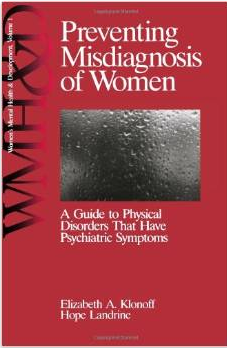
In the book Preventing Misdiagnosis of Women (Klonof, Landrine), the author quotes a statistic which says 41% to 83% of all people who are treated for psychiatric disorders actually have a physical disorder instead. Briefly, the writer describes Cushing’s Disease, yet does not at all address the issues of focus to which we, as patients, can relate.

It is interesting to note that in this book, the author compares the endocrine system to a symphony of musicians. The hypothalamus interacts as the conductor. The pituitary gland then becomes the baton that everyone follows, and the target glands are the musicians.

Feedback loops are also accurately represented in this model. A musician (the target gland) lets the conductor know that he is performing correctly by his performance. The conductor (the hypothalamus) then can issue new instructions to change something through his baton (the pituitary gland), or continue with the same message.

When an orchestra plays horribly, the problem could be along any step of the way, even though she doesn’t spell this out directly. The conductor could be drunk and send the wrong message to the musicians. Or the musician could have partied too hard the night before and may not be able to stay awake during the performance! So to follow this model, primary dysfunction is a problem with the musicians. Secondary dysfunction is a problem with the baton, and tertiary dysfunction is the fault of the conductor.

Something I didn’t know about anti-diuretic hormone (ADH), but learned reading this book: large amounts of ADH are associated with hypertension. Duh – I could have figured that out if I had been trying! But this causes me to ask the question – could high cortisol affect ADH to cause high blood pressure as well?

This is where we come to my biggest concern about this book. The author states that from her research pituitary disorders are quite rare, and rarely affect focus and mood or can mirror psychological issues. The only disorder she believes comes from the pituitary and is related to psychological issues is hypopituitarism. If she believes that, then perhaps if she understood how pituitary hormones could be hyper instead of hypo, we would be having a different discussion.

The Adrenal Glands/Cushing’s:

I arrived at the discussion regarding the adrenal glands. The writer states that epinephrine and norepinephrine are neurotransmitters and work inside the brain in a variety of ways. What she also mentions is the interesting part, that new theories indicate that those two hormones may be tied to manic and depression issues. Now, if what I have learned is accurate, cortisol is the chaser of these two neurotransmitters, and definitely results in an issue with mood swings!

The writer realizes that Cushing’s syndrome causes a host of psychiatric, neurological and physical symptoms. She also recognizes that the reverse is true, that Addison’s causes these same issues as well. Addison’s disease is discussed in regards to its depressive nature in patients with low cortisol. However, when discussing Cushing’s Syndrome, the author states that 15% of patients with Cushing’s will exhibit “prototypical paranoid or depressive psychosis that includes paranoid or depressive delusions and associated hallucinations.”

This is in stark contrast to the research performed on people with exogenous Cushing’s syndrome, of whom 75% show signs of “euphoria, increased activity level, decreased need for sleep, increased appetite, and increased libido.”

The line between symptoms seems to blur here in anecdotal reality. For those patients looking for diagnosis or have been diagnosed with Cushing’s, there are still issues with a decreased need for sleep, an increased appetite and carbohydrate cravings, and increased activity level. However, many patients are not being diagnosed properly until the physical signs show, and by that time the high cortisol has done its damage, causing other secondary issues such as muscle myopathy, osteopenia and osteoporosis, causing painful muscle loss and bone density issues, respectively.

The book also states that most patients with exogenous Cushing’s do not suffer from the “pressure of speech, flight of idea, expansiveness” or other symptoms. It’s interesting to see these symptoms recognized in writing from a psychologist! Flight of ideas happens to be one of my most uncomfortable issues. As a public speaker and trainer, recalling information and being able to apply it to discussions and questions is a necessity. With Cushing’s, once the information is brought to the front of my mind and I’m ready to use it, the idea will literally flit out of my head and disappear into the ether of space.

I loved this direct quote regarding Cushing’s: “The physical symptoms of Cushing’s syndrome can aid in differential diagnosis but, unfortunately, do not appear until late in the disease. These include weight gain, facial obesity, hypertension, muscle wasting, and amenorrhea. Cushing’s syndrome tends to occur in women (and sometimes in men) ages 20-60 and has no preference for a specific ethnic group.”

The Thyroid:

Hyperthyroidism

Thyroid disorders are covered in chapter two of this book. Again, the data is outdated and only refers to the thyroid hormone thyroxine (T4). The book also states the causes for Grave’s Disease are unknown, but there’s much more research out now days that can be discussed with the thyroid experts.

Hyperthyroidism causes manic and hypomanic episodes, and sometimes even bipolar issues. Attention deficit conditions also can occur. Recent memory impairment (as seen with Cushing’s and Addison’s Disease) can also occur with diarrhea, sweating, increased appetite with weight loss, and red puffy eyelids. Talk about clouding the picture! If a woman is seen with bipolar issues and medication is not working for her, it’s probably a case of misdiagnosis. The key here is that when medications are give (especially tricyclic anti-depressants and lithium), these drugs make things worse, not better. The same also goes for hyperthyroid patients and drugs like Haldol used for anti-psychotics. This author cautions that antipsychotic drugs can and will result in fatal dystonic reactions. That’s an “in-your-face” indicator that something isn’t right! Paying extra close attention to physical signs and symptoms is key to making the correct diagnosis in hyperthyroid patients, and that includes asking questions regarding the aforementioned issue.

Hypothyroidism

Hypothyroidism is one of the diseases which can be affected by a dysfunction in the hypothalamus, the pituitary gland, or in the thyroid itself. Unlike other endocrine diseases, hypothyroidism strikes slowly over time, and the symptoms are persistent, but subtle. Most women I know tend to just deal with the symptoms without thinking they are anything out of the ordinary.

The most annoying symptoms include: slowed thinking, impaired memory recall, having to hear things multiple times to comprehend, fatigue and weakness, depression that increases in severity over time, in ability to stay warm, numbness in the fingers, hearing loss, loss of appetite, long menstrual cycles.

Major depression would definitely account for most of the above symptoms, but it is important to note a severely depressed patient should be referred back to their doctor for a battery of thyroid tests to rule out a physical condition before applying psychological techniques! Believe me, most patients would better understand and be open to a physical culprit than having a psychological label over their heads.

This book brings up another interesting point – hypothyroid patients show marked changes when taking neuropsychological tests such as the WAIS Digit Span, the Halstead-Teitan Trailmaking Test, and the MMPI. These changes indicate severe depressive tendencies, but noted the patient only has changes in the depressive information, while the rest of their scales will be normal, itself an abnormality.

According to the literature cited in this book, both kinds of patients should not be treated with anti-depressants, lithium or antipsychotics. Rapid deterioration will follow such drug treatments.

The need to address physical issues accurately before psychosocial treatment is immense. As noted above, if a patient runs into a psychologist or other doctor who would like treat with drugs before running tests for a physical problem, one should trust her instincts and walk away. Physical disorders should be ruled out before pursuing a medical treatment plan for any psychological issue, especially with the overlap in symptoms we as endocrine patients find.

Thursday, December 3, 2009

Evaluating Thyroid Function: The Clinical Advisor

0 responses

Laura M. Gunder, DHSc, MHE, PA-C, and Sara Haddow, MSA, PA-C

Read the rest of this excellent article here:  The Clinical Advisor

I would like to point out that measuring TSH only is misleading for many, many patients, especially those who have had or still have a pituitary adenoma.   Also, anyone who has had surgery for a pituitary adenoma cannot rely on TSH values to determine hypothyroidism.


Monday, November 23, 2009

In the News: Link between preeclampsia and hypothyroidism

0 responses

Endocrine Today

Link found between preeclampsia and reduced thyroid function

Preeclampsia may be associated with subclinical hypothyroidism during pregnancy and appears to predispose women to reduced thyroid function up to 20 years after pregnancy, according to recently published data in BMJ. (Read more here)


Thursday, January 15, 2009

IN THE NEWS: Subclinical Thyroid Disease: Scientific Review and Guidelines for Diagnosis and Management

0 responses
JAMA -- Subclinical Thyroid Disease: Scientific Review and Guidelines for Diagnosis and Management, January 14, 2004, Surks et al. 291 (2): 228

(UPDATE: Not just released...oops. But still well-worth reading. I had the wrong document open. )

The basic questions that are asked (and answered) are:

  • What is the definition of subclinical thyroid disease?
  • What is the epidemiology of subclinical thyroid disease?
  • What are the consequences of untreated subclinical thyroid disease? How should it be evaluated?
  • What are the risks and benefits of treatment for subclinical thyroid disease?
    Is screening for subclinical thyroid disease warranted?
It also uses a rubric to determine the following:

Strength of the Overall Evidence
Strength of Panelists' Recommendations Based on Available Evidence
Subclincial hypothyroidism is defined and differentiated from central hypothyroidism. Short and long-term consequences are also delineated.


Saturday, December 27, 2008

Central Hypothyroidism: A Cushing's Disease problem, too

0 responses
Since approximately 80% of Cushing's Disease/Syndrome is caused by a pituitary adenoma, other hormones produced by the interaction of the hypothalamic-pituitary-adrenal (HPA) axis are often deficient. This includes thyroid-stimulating hormone (TSH).

Primary hypothyroidism is often detected by elevated TSH values. This is due to the normal feedback-loop of the HPA axis. Central hypothyroidism (CH), however, is not typically detected by measuring TSH which is low due to a disruption of the pituitary's stimulus and is not produced as needed. The most common cause is a pituitary adenoma.
In Mechanisms Related to the Pathophysiology and Management of Central Hypothyroidism, the authors state, "Given that the prevalence of pituitary adenomas in the general population is greater than 10%, the true prevalence of CH might be much higher than that reported". When speaking of the method of measuring TSH levels alone, they say this "approach works, however, only if the hypothalamic-pituitary-thyroid axis is normal. Conversely, the strategy of first-line TSH measurement can miss patients with CH."

The authors give a very nice synopsis of the HPA axis' role in thyroid regulation and function. The diagrams are well-done, also. In Table 1, the causes of CH are listed:

Table 1. Causes of Central Hypothyroidism

CauseCongenitalAcquired
Classic causes
Space-occupying lesions (brain or pituitary; pituitary adenoma, craniopharygioma, etc.)YesYes
RadiationNoYes
Vascular disease (Sheehan syndrome, etc.)YesYes
Nonclassic causes
Traumatic brain injury or subarachnoid hemorrhageNoYes
Drug-induced (bexarotene, carbemazepine, etc.)NoYes
Growth hormone therapyNoYes
Infection (lymphocytic adenohypophysitis, lymphocytic hypophysitis)NoYes
Set point diseases (infant's born to mothers with inadequately controlled Graves disease, etc.)YesNo
Genetic mutationsYesNo
IdiopathicYesYes
CH usually appears concurrently with other hormone deficiencies. "Hormone deficiencies were seen for luteinizing hormone/follicle-stimulating hormone (LH/FSH) in 85% of patients, growth hormone in 65%, adrenocorticotropic hormone (ACTH) in 62%, TSH in 60%, antidiuretic hormone in 23% and prolactin in 15%."

The authors also detail non-classic causes of CH, including genetic mutations. With one familial case inheritance was determined to be autosomal recessive. Interestingly, the values of TSH measured varied by assay with one mutation.

The researchers make a case for using free T4 and free T3 to determine CH while levels of TSH have no diagnostic value. They also indicate that although the "nocturnal surge of serum TSH level has been used to assess CH, this approach is still controversial. MRI could be required for most suspected cases of CH to detect origin of hypothalamic or pituitary disorders."

Treatment is much the same as for any hypothyroidism. Levoxythyroxine is the first line of treatment. They also carefully point out the following:

Deficiencies of hormones other than TSH should be considered before starting
treatment. When ACTH deficiency is also present, glucocorticoid therapy should
be started at least 1 week before initiation of levothyroxine to avoid increased
consumption of cortisol and worsening of the ACTH deficiency, which can
induce crisis
. (emphasis mine)
An algorithm was developed for treating CH sufferers. Interestingly, this does not show using any form of T3, although there are folks who do not convert forms of T4 to the needed T3. They do empasize, however, the importance of achieving "free T4 in the upper end of the normal range rather than within the middle or lower values".

On a positive note for those who have or will undergo pituitary surgery, they authors conclude, "Surgery is reported to lead to an improvement in anterior pituitary function in approximately 35% of patients with pituitary adenoma and CH."


Masanobu Yamada, Masatomo Mori (2008). Mechanisms related to the pathophysiology and management of central hypothyroidism Nature Clinical Practice Endocrinology & Metabolism, 4 (12), 683-694 DOI: 10.1038/ncpendmet0995

Wednesday, September 24, 2008

Hypothyroidism in patients with pseudohypoparathyroidism?

0 responses
....In light of my last post, I found the article by Balavoine, et al, Hypothyroidism in patients with pseudohypoparathyroidism type Ia: clinical evidence of resistance to TSH and TRH, intriguing, also.
Objective: Hypothyroidism is a manifestation of multi-hormonal resistance in pseudohypoparathyroidism type Ia (PHP Ia). The objective of the study was to determine the mechanisms of hypothyroidism in PHP Ia.
Hypoparathyrodism is another endocrine problem considered "rare". Many of us with Cushing's Disease have other endocrine and auto-immune dysfunctions. Malfunctions. Non-functions. You get the idea. Although only the MEN varieties have been considered hereditary, there is new evidence of a familial link to Cushing's and other endocrine disorders. And this may be even another.

In Update in Pituitary Disease, Schlomo Melmed of Cedars-Sinai Medical Center, Los Angeles writes:
A recent paper (8), for the first time, proposed the aryl hydrocarbon receptor interacting protein (AIP) gene as predisposing to pituitary adenoma......Drouin and colleagues (3) discovered that glucocorticoid resistance of ACTH-secreting tumors can be attributed to loss of Brg1 or histone deacetylase (HDAC)-2 nuclear expression. This transrepression of the POMC gene in corticotrophs could therefore be a mechanism underlying the formation of ACTH-secreting tumors (3)."
Also, the following:
A large body of work was published relating to the genetic analysis of pituitary tumors. A comprehensive study from Belgium (6) characterized familial isolated pituitary adenomas. These very rarely encountered index families comprised patients with heterogenous features of acromegaly, prolactinoma, and Cushing’s disease. Significantly affected individuals were younger, some were giants, and some harbored more invasive tumors than sporadic patients. The challenge in these rarely encountered and similar families (7) has been that they appear to harbor a mutation in the 11q region, distinct from multiple endocrine neoplasia-1 or any other related tumor suppressor gene. The challenging question in these families has been that the identity of the gene on 11q that predisposes to these traits has remained elusive.
And there is more....but I am tired. My non-functions, malfunctions and dysfunctions rule tonight.

Friday, September 19, 2008

Subclinical Primary Hypothyroidism May Be Common in Chronic Kidney Disease

0 responses

Although this isn't new news, it's relatively recent and I just happened upon it. Since I'm having recurrent pyelonephritis, I was doing some research. This is not what I expected to find, but somehow my meanderings through the interconnected cyber-trails called the world wide web led me to this information on various sites. And as I looked more, I found this site with probably the most "free" information about it. If you have access to the full article, it's well worth the read.

Pertinent facts from the article:
  • This study used results of serum creatinine, glucose, lipids, and thyroid function tests in a large database from the Clinical Chemistry Laboratory at the Verona University Hospital in Italy.
  • From December 2005 to December 2007, a total of 3233 outpatient adults 18 years and older were consecutively referred by general practitioners for routine blood testing.
  • All patients with low or high normal free thyroxine levels (n = 144) were excluded, leaving 3089 adult participants included in the final analysis.
  • Mean age was 54.9 ± 16.2 years (range, 18 - 94 years); 78.4% were women.
  • GFR was estimated from the abbreviated Modification of Diet in Renal Disease equation.
  • The independent association between prevalent subclinical primary hypothyroidism and estimated GFR was determined with multivariable logistic regression.
  • Subclinical primary hypothyroidism occurred in 293 (9.5%) of 3089 adult participants.
  • Participants with subclinical primary hypothyroidism were likely to be older and had higher values of fasting plasma glucose, total cholesterol, and triglycerides, and lower estimated GFR levels vs those with no subclinical hypothyroidism.
  • Estimated GFR was less than 60 mL/minute per 1.73 m2 in 277 (9%) participants.
  • Subclinical primary hypothyroidism became more prevalent with decreasing GFR.
  • The prevalence of subclinical primary hypothyroidism was 7% at an estimated GFR of more than 90 mL/minute per 1.73 m2 and 17.9% at an estimated GFR of less than 60 mL/minute per 1.73 m2 (P < .0001 for trend).
  • Odds of subclinical primary hypothyroidism were increased in participants with an estimated GFR of less than 60 mL/minute per 1.73 m2 vs those with an estimated GFR of more than 60 mL/minute per 1.73 m2 after adjustment for age; sex; and fasting plasma glucose, total cholesterol, and triglyceride concentrations.
  • Throughout the normal and high TSH ranges, there was a significant inverse association between estimated GFR and TSH levels.
  • Older age was also independently associated with prevalent subclinical hypothyroidism, but sex, fasting plasma glucose levels, and lipid levels were not.
  • The investigators concluded that subclinical primary hypothyroidism is relatively prevalent (approximately 18%) among persons with CKD not requiring long-term dialysis and that it is independently associated with progressively lower estimated GFR in a large cohort of unselected outpatient adults.
  • Limitations of the study include cross-sectional design, precluding determination of causal or temporal relationships; definition of kidney function based on estimated GFR; inability to identify nonthyroidal and thyroidal causes of subclinical hypothyroidism; possible misclassification resulting from use of automated databases; and lack of data on comorbid conditions and use of thyroid medications.
To read more: Subclinical Primary Hypothyroidism May Be Common in Chronic Kidney Disease

Tags

101 (6) 2009 (1) ACTH (3) addison's (2) adenoma (10) adrenal (6) adrenal adenomas (2) adrenal insufficiency (8) adrenalectomy (1) androgens (2) anger (1) animals (1) antibiotic (1) apathy (1) apnea (1) arginine (1) attitude (2) awareness (19) bacteria (1) bariatric (4) bilateral adrenalectomy; zebra (2) BLA (6) blog carnival (1) blogging (1) blogtalkradio (1) blood work (1) buffalo hump (1) cancer (1) carcinoma (1) cardiovascular (2) change (1) chronic (1) chronic illness (8) circadian (2) classical (1) cold (2) conn's (1) cortef (1) corticosteriod (2) cortisol (7) CSF (1) CT scan (1) cure (1) cushing (1) cushing's (77) cyberchondriac (2) cyclic (2) data (1) database (1) death (4) depression (1) dexamethasone (1) diabetes (3) diabetes insipidus (1) diagnose (1) diagnosis (10) disease (1) diurnal (2) doctor (3) doctor blogs (21) doctor friedman (1) doctors (2) doctors google (1) drugs (2) dynamic MRI (2) ectopic (2) education (1) EHR (1) EMR (1) endocrine (5) endocrinology (1) epatients (5) epigenetics (4) epinephrine (1) episodic (2) estrogen (1) familial (2) fat (1) fatigue (1) ferritin (2) florid (1) flu (1) fluid control (1) food (1) gadolinium (2) galactorrhea (1) gamma knife (3) genetics (3) genotropin (1) gland (1) google (1) google health (1) googling (2) grand rounds (4) growth hormone (13) guest post (1) headache (2) health care system (14) health records (4) healthcare (1) HIPAA (1) hirsutism (1) holiday (4) home (1) hoofbeats (1) hormone (1) hormones (5) hormones bioidentical (1) HRT (1) hurt (1) hypercortisolism (1) hyperplasia (1) hypertension (1) hyperthyroidism (2) hypoparathyroidism (1) hypopitiutarism (4) hypothalamus (2) hypothyroidism (7) iatrogenic (1) ice crunching (1) illness (3) imaging (4) immune (1) immunocompromised (1) infection (2) information (2) insurance (2) internet (1) invisible illness (1) iron (1) journey (2) ketoconazole (3) kidney (1) labs (2) lapband (1) laproscopic (1) levaquin (2) libido (1) macroadenoma (2) medical records (2) medical school (1) men (1) metabolic syndrome (3) metamorphosis (1) microadenoma (1) microscopy (1) mild (1) morbidity (2) mortality (1) MRI (2) MRSA (1) mucinex (1) neuroblastoma (1) news (10) night owl (1) nodules (1) norepinephrine (1) obesity (13) obesity hunger willpower (2) Occam's Blade (1) OFM (1) osteoporosis (2) pain (4) parathyroid (3) participatory medicine (2) pasireotide (1) patient rights (2) patients (7) patientsfirst (1) PCOS (6) PCP (1) pediatric (2) peer reviewed (1) percocet (1) personal (1) PET (1) phenotype (1) pheochromoctyoma (1) pheochromocytoma (1) PHR (3) pictures (1) pituitary (24) pituitary surgery (7) pituitary tumor adenoma research acromegaly (1) poll (1) polycystic (2) prolactinoma (1) protein (1) psychological (1) radiation (1) radio; cushing's (2) rant (1) recurrence (1) reform (2) relationships (1) remission (2) research (26) respect (1) retrospective (4) rocephin (1) safari (1) salivary (2) sarcoidosis (1) science (1) serum cortisol (1) shame (1) sick (1) sinus (1) sinus infection (2) sinusitis (1) sleep (2) soda (1) spoon theory (1) steriod (1) steroids (1) subclinical (2) surgery (11) surgeXperiences (2) survival (1) symptom (1) technology (1) temozolomide (1) testing (6) testosterone (2) thyroid (6) to google (1) top10 (1) transsphenoidal endoscopic (1) travel (2) treatment (3) trust (1) tumor (12) twitter (5) urinary free cortisol (2) urinary infection (2) UTI (1) veteran (1) video (3) Vitamin D (6) weakness (1) zebra (5) zippy (1)

Email me....

survivethejourney at gmail dot com

Subscribe via email

Enter your email address:

Delivered by FeedBurner